
How to Prepare Walls Before Painting in Sydney: A Complete Guide

A fresh coat of paint can completely transform the appearance of your Sydney home. However, even the best-quality paint cannot hide poorly prepared walls.
Cracks, holes, dents, uneven surfaces and damaged plaster can become even more noticeable after painting. That is why proper wall preparation is one of the most important steps before starting any interior painting project.

Whether you are renovating a single room, preparing a property for sale or completing a full home renovation, professional wall preparation can help you achieve a smoother and longer-lasting finish.
Why Is Wall Preparation Important? wall crack repairs sydney
Painting directly over damaged or uneven walls can produce an inconsistent finish. Paint may highlight imperfections instead of hiding them.
Proper wall preparation helps:
Create a smoother surface
Improve paint adhesion
Reduce visible imperfections
Produce a more consistent finish
Improve the appearance of the completed room
Prevent minor wall problems from becoming more noticeable
Taking time to prepare the surface properly can make a significant difference to the final result.
Common Wall Problems Before Painting
Before painting, inspect the walls carefully for damage. wall crack repairs sydney
Common problems include:
Cracks
Small cracks can appear around plasterboard joints, corners, windows and doors. Larger or recurring cracks may require further investigation before cosmetic repairs are carried out.
Holes and Dents
Moving furniture, removing wall fixtures or everyday impacts can leave holes and dents in plasterboard and plaster walls.
Uneven Surfaces
Previous repairs, poor finishing or old plasterwork can leave walls uneven. These areas may need filling, sanding or professional resurfacing.
Peeling Paint
Old or damaged paint can peel away from the wall. Loose paint should be removed and the underlying surface assessed before applying new paint.
Water Damage
Brown stains, bubbling paint, mould or soft plasterboard may indicate moisture problems. The source of the water should be resolved before the wall is repaired and painted.
Step 1: Inspect the Walls
The first step is a detailed inspection.
Look at the walls from different angles and under good lighting. Pay attention to:
Cracks
Holes
Scratches
Dents
Loose plaster
Water stains
Peeling paint
Mould
Damaged corners
Uneven joints
Identifying these problems before painting can prevent costly rework later.
Step 2: Repair Cracks and Holes
Small holes and minor surface cracks can often be repaired before painting.
Depending on the wall condition, the repair may involve:
Removing loose material
Cleaning the damaged area
Applying suitable filler or joint compound
Allowing the repair to dry
Sanding the surface
Applying additional compound if required
Smoothing the area before painting
The repair method depends on the type and severity of the damage.
Step 3: Repair Damaged Plasterboard
If the wall has significant Gyprock or plasterboard damage, simply filling the surface may not provide a durable solution.
Damaged plasterboard may need to be cut out and replaced before the joints are taped and finished.
This can be particularly important where the board has been damaged by:
Water
Impact
Furniture removal
Electrical work
Plumbing work
Previous renovation work
A professional plasterer can determine whether a damaged section can be repaired or should be replaced.
Step 4: Sand and Smooth the Surface
After repairs have dried, the surface should be carefully sanded.
The objective is to create a smooth transition between the repaired section and the surrounding wall.
Poor sanding can leave visible ridges or depressions that become noticeable once paint is applied.
Professional finishing is particularly important on walls exposed to strong natural light or modern directional lighting.
Step 5: Check Corners and Edges
Corners are another area that should be inspected before painting.
Damaged external corners may require corner bead repairs or additional plastering. Internal corners may also need filling and smoothing.
If cornices are present, inspect the joints and edges for cracks or gaps.
Repairing these details before painting helps produce a cleaner overall finish.
Step 6: Deal With Water Damage First
Never simply paint over active water damage.
If you notice:
Brown ceiling or wall stains
Bubbling paint
Soft plasterboard
Peeling surfaces
Mould
Damp patches
the underlying moisture source should be investigated.
The problem may be related to plumbing, roofing, gutters, bathrooms, air conditioning or other building issues.
Once the moisture problem has been resolved, the damaged wall can be properly repaired and prepared for painting.
Step 7: Clean the Walls
Walls should be reasonably clean before painting.
Dust, dirt, grease and other contaminants can affect paint adhesion and the quality of the final finish.
The appropriate cleaning method depends on the condition and type of wall surface.
After cleaning, allow the surface to dry properly before continuing with preparation and painting.
Step 8: Apply Primer Where Required
Some repaired areas may require primer before the final paint coats.
Primer can help create a more consistent surface and prepare certain materials or repaired areas for painting.
The appropriate primer depends on the wall condition and the type of paint being used.
Professional Wall Preparation vs DIY
Minor cosmetic repairs may be manageable for homeowners with the right tools and experience.
However, professional assistance may be appropriate when walls have:
Extensive cracking
Large holes
Water damage
Damaged plasterboard
Uneven surfaces
Multiple previous repairs
Significant plaster deterioration
A professional plasterer can prepare the surface correctly and help prevent visible imperfections after painting.
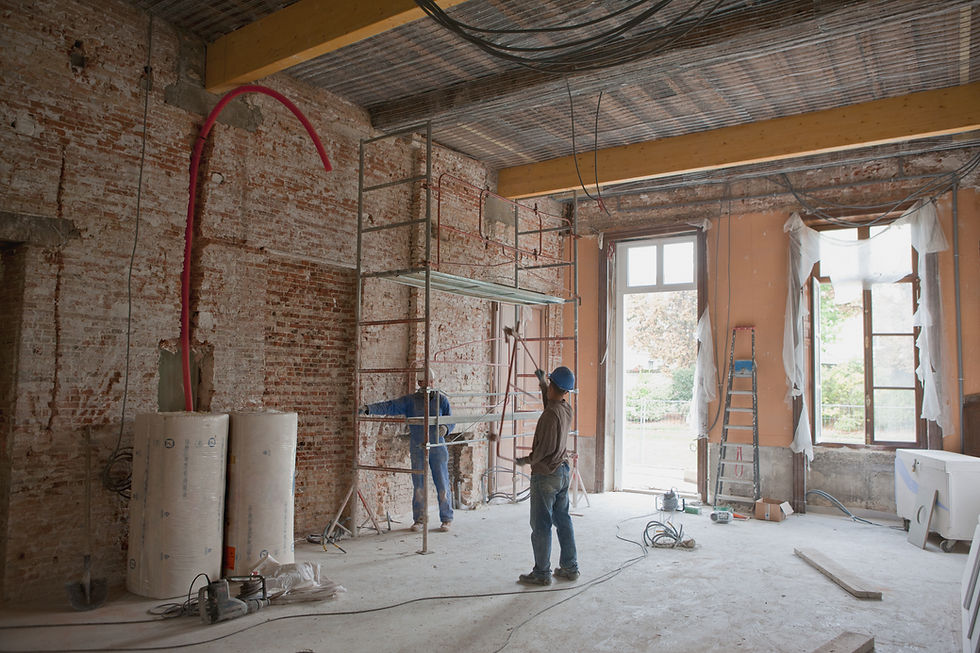
Preparing Walls During a Home Renovation
Wall preparation is particularly important during renovations.
Electrical and plumbing work can create holes and openings in walls. Removing cabinets, shelving, tiles or other fixtures can also damage existing surfaces.
Instead of painting immediately after construction work, inspect the walls and complete all necessary plastering and Gyprock repairs first.
This creates a clean surface for the final decorating stage.
How Long Does Wall Preparation Take?
The time required depends on the condition and size of the walls.
A room with minor dents and small holes may require limited preparation. A property with extensive damage, water issues or multiple plasterboard repairs may require significantly more work.
Factors include:
Number of walls
Extent of damage
Drying time
Number of repair layers
Sanding requirements
Plasterboard replacement
Existing paint condition
A professional assessment can provide a more accurate estimate for your project.
Choosing a Wall Repair and Plastering Professional in Sydney
If your walls require more than basic cosmetic preparation, choosing an experienced plasterer can help ensure the surface is properly repaired before painting.
Consider a professional who offers:
Wall repairs
Plastering
Gyprock repairs
Plasterboard installation
Ceiling repairs
Cornice repairs
Renovation plastering
Professional surface finishing
It is also important that the contractor understands how plastering and wall preparation fit into the wider renovation schedule.
Get Your Sydney Walls Ready for Painting
A successful painting project starts with a properly prepared surface. Repairing cracks, holes, damaged plasterboard and uneven areas before painting can help produce a smoother and more professional result.
RS Plastering Renovations provides professional wall repairs, plastering, Gyprock repairs and ceiling services across Sydney.
Whether you are preparing one room for painting or renovating an entire property, our team can help prepare your walls and ceilings for the next stage of your project.
Contact RS Plastering Renovations today to discuss your wall repair or renovation project and request a free consultation.


Comments