
Why Do Wall Cracks Appear in Sydney Homes? Causes and Professional Solutions
- falgun baroi
- Jun 21
- 2 min read

Wall cracks are one of the most common issues homeowners encounter in Sydney. While some cracks are purely cosmetic, others can indicate underlying structural movement, moisture problems, or aging building materials.
Understanding the cause of wall cracks is the first step toward protecting your property and preventing more expensive repairs in the future.
At RS Plastering Gyprock & Renovation, we provide expert wall crack repair services throughout Sydney, helping homeowners restore the appearance and integrity of their walls.

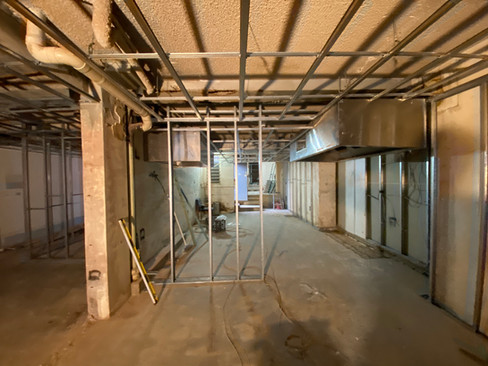


Are Wall Cracks Normal? Wall Crack Repair Sydney
Not all wall cracks are a cause for concern.
Small hairline cracks can appear naturally as buildings settle over time. However, larger cracks or cracks that continue to grow may require professional attention.
Common Causes of Wall Cracks in Sydney Homes
1. Building Settlement
Most homes experience minor movement as foundations settle over time.
This can create small cracks around:
Doors
Windows
Ceiling joints
Wall corners
2. Temperature Changes
Sydney experiences seasonal temperature fluctuations that can cause building materials to expand and contract.
Over time, this movement may lead to visible cracking. Wall Crack Repair Sydney
3. Moisture and Water Damage
Water leaks can weaken plasterboard, plaster, and structural materials.
Common sources include:
Roof leaks
Plumbing leaks
Poor drainage
Storm damage
4. Foundation Movement
Changes in soil conditions can cause foundation movement, leading to larger structural cracks.
This type of cracking often requires immediate assessment.
5. Poor Workmanship
Improper plastering techniques or low-quality materials can result in premature cracking.
Professional installation helps minimise these issues.
Signs a Wall Crack May Be Serious
You should contact a professional if you notice:
✔ Cracks wider than 5mm
✔ Stair-step cracks in brickwork
✔ Cracks that continue to grow
✔ Doors or windows sticking
✔ Multiple cracks appearing suddenly
✔ Water damage near cracked areas
Why Ignoring Wall Cracks Can Be Costly
Leaving cracks untreated may lead to:
Larger repair bills
Water penetration
Mould growth
Reduced property value
More extensive structural issues
Early repairs are often faster and more affordable.
Professional Wall Crack Repair Process
At RS Plastering Gyprock & Renovation, our repair process includes:
Inspection
We assess the crack and determine its underlying cause.
Preparation
Damaged materials are removed and prepared for repair.
Reinforcement
Where necessary, joints are strengthened to reduce future cracking.
Plastering and Finishing
Repairs are completed using quality materials and professional techniques.
Sanding and Preparation
Walls are finished smoothly and prepared for painting.
Preventing Future Wall Cracks
Homeowners can reduce the risk of cracking by:
✔ Addressing water leaks quickly
✔ Maintaining proper drainage
✔ Scheduling regular property inspections
✔ Repairing small cracks before they worsen
✔ Using professional plastering services
Why Choose RS Plastering Gyprock & Renovation?
We specialise in:
✔ Wall Crack Repairs
✔ Ceiling Repairs
✔ Gyprock Installation
✔ Water Damage Restoration
✔ Ceiling Replacement
✔ Residential & Commercial Plastering
Our experienced team delivers reliable, long-lasting solutions for Sydney homeowners and businesses.
Areas We Service
Including:
Parramatta
Blacktown
Liverpool
Penrith
Ryde
Bondi
Inner West
Northern Beaches
and surrounding Sydney suburbs.
Get a Free Wall Crack Repair Quote
If you've noticed cracks in your walls or ceilings, don't wait for the problem to become more serious.
Contact RS Plastering Gyprock & Renovation today for a FREE quote and professional wall crack repair services across Sydney.


Comments